World Stroke Day: The Importance of Early Stroke Detection
Necessary things everyone should know about Stroke on World Stroke Day
Every year on October 29th, World Stroke Day reminds us of the importance of stroke awareness and prevention. This blog post aims to provide you with easy-to-understand information about strokes, how to spot them early, and why quick action is crucial.
What is a Stroke?
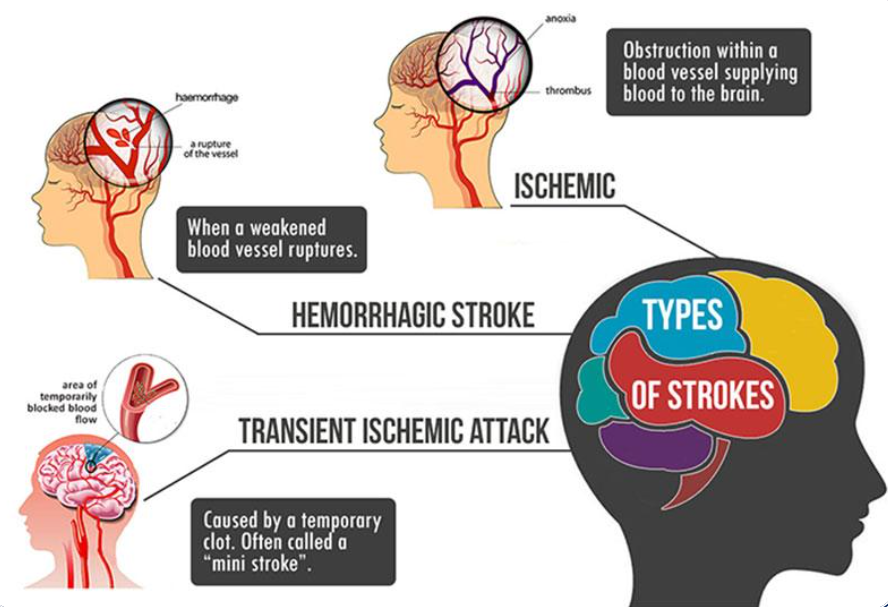
A strokeoccurs when blood flow to part of the brain is interrupted, either by a blockage (ischemic stroke) or a burst blood vessel (hemorrhagic stroke). This can damage brain cells and affect various body functions.
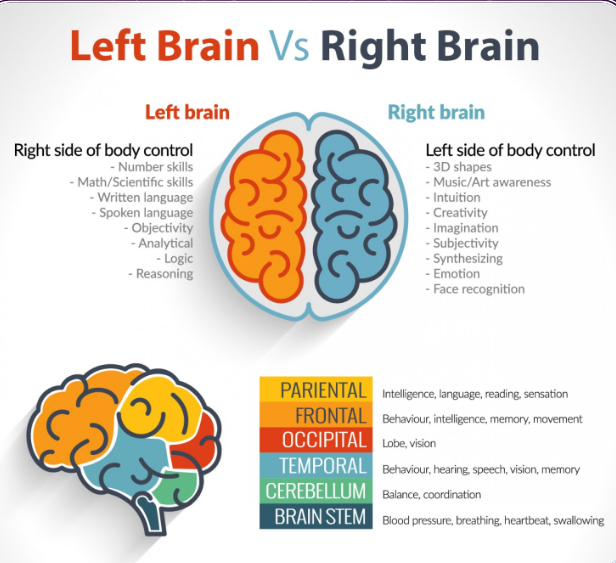
Left Brain vs Right Brain Strokes
The side of the brain affected by a stroke can determine which body functions are impaired:
Left brain strokes may affect speech, language, and right-side body movement.
Right brain strokes can impact left-side body movement, spatial awareness, and judgment.
How to Spot a Stroke: Remember FAST and BE FAST
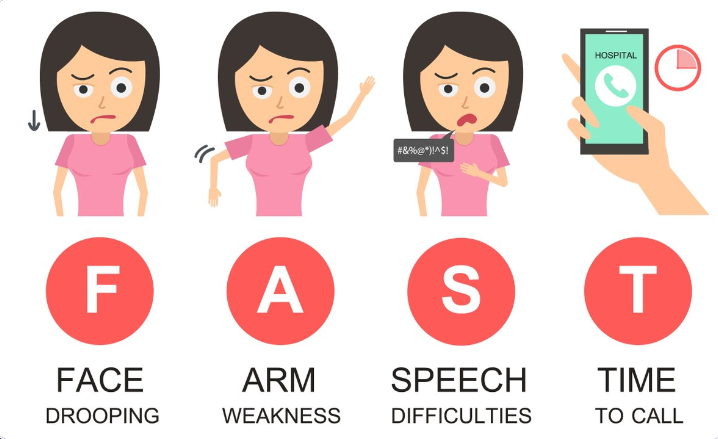
FAST:
Face: Ask the person to smile. Does one side droop?
Arms: Ask them to raise both arms. Does one drift downward?
Speech: Ask them to repeat a simple phrase. Is their speech slurred or strange?
Time: If you see any of these signs, call emergency services immediately.
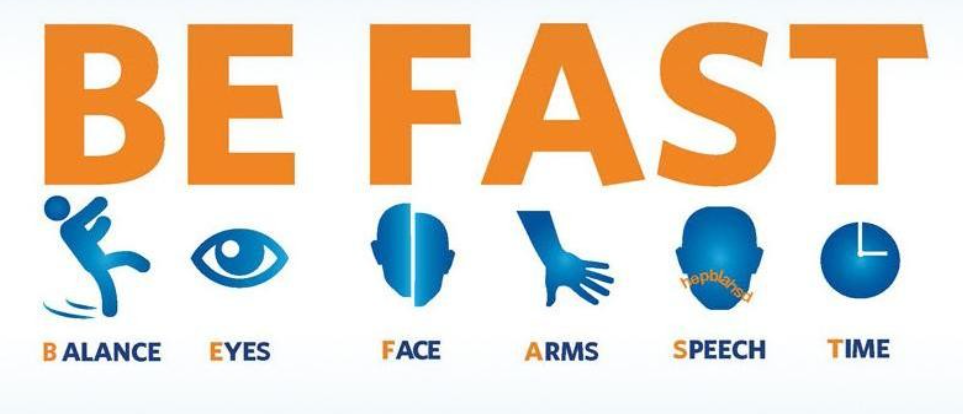
BE FAST (adds two more crucial signs):
Balance: Is there a sudden loss of balance or coordination?
Eyes: Is there sudden blurred or double vision?
The SUDDENS
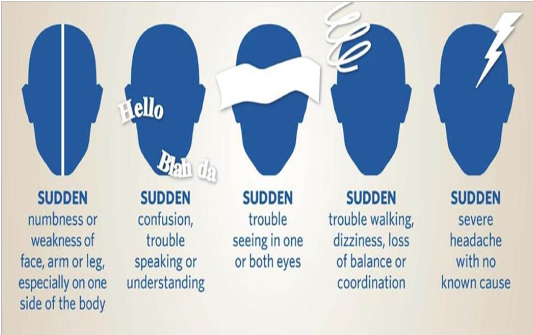
Another way to remember stroke symptoms is “The SUDDENS”:
Sudden numbness or weakness
Unsteady gait
Dizziness
Droopy features
Eyes (vision changes)
Not able to speak or understand
Severe headache
Why Early Stroke Detection Matters?
Recognizing stroke symptoms early can lead to faster treatment, potentially reducing brain damage and improving recovery chances. Remember: “Time is brain.”
Types of Strokes
Ischemic Stroke: Caused by a blood clot blocking a brain artery.
Hemorrhagic Stroke: Caused by a ruptured blood vessel in the brain.
Transient Ischemic Attack (TIA): A “mini-stroke” with temporary symptoms.
Tests Conducted by Doctors
When a stroke is suspected, doctors may perform several tests:
Head Impulse Test (HIT): Checks eye movement control.
Nystagmus Test: Looks for involuntary eye movements.
Skew Deviation Test: Assesses eye alignment.
NIHSS Score: A standardized assessment of stroke severity.
Assessing Stroke: Tips for Healthcare Providers
Always consider stroke in patients with sudden neurological changes.
Use standardized assessments like FAST and NIHSS.
Don’t dismiss symptoms in younger patients; strokes can occur at any age.
NIHSS Stroke Assessment
NIHSS Tool
Stroke Facts vs Myths
Fact: Strokes can happen at any age. Myth: Strokes only affect older people.
Fact: Many strokes are preventable through lifestyle changes. Myth: Strokes are unavoidable.
Fact: Stroke requires immediate medical attention. Myth: You should wait to see if symptoms improve before seeking help.
Recovery Statistics
About 10% of stroke survivors recover almost completely.
25% recover with minor impairments.
40% experience moderate to severe impairments requiring special care.
10% require long-term care in a nursing home or other facility.
15% die shortly after the stroke.
Conclusion
Remember, early detection and treatment can significantly improve these outcomes.
By understanding strokes and knowing how to spot them early, you can potentially save a life – maybe even your own. This World Stroke Day, share this knowledge with your loved ones and help create a more stroke-aware community.